
How UK Crypto Casino Operators Are Investing in Biogas and Renewable Energy Projects to Offset Their Carbon Footprint in 2026
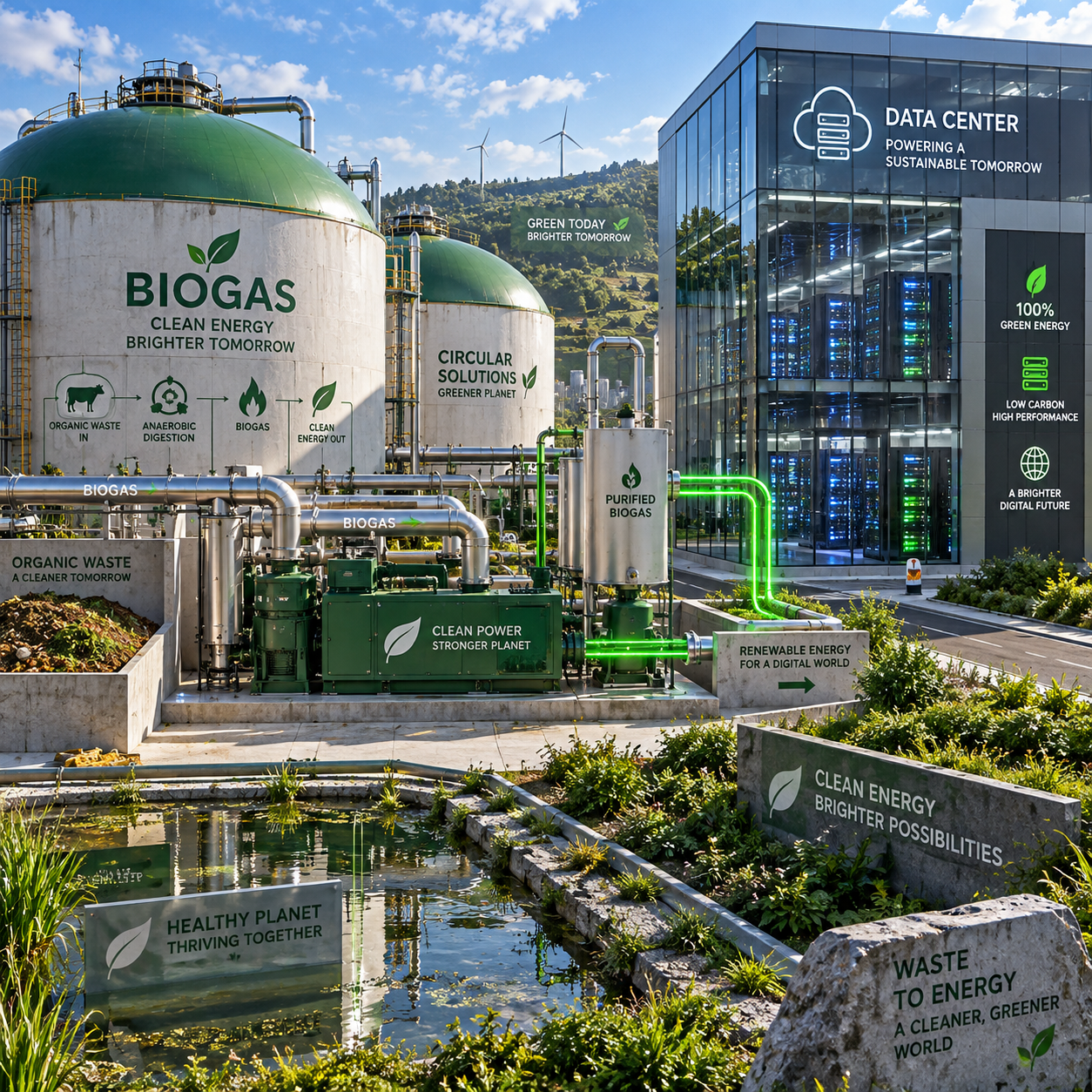
I've spent a good chunk of the last year digging into how the gambling industry is quietly reinventing itself, and honestly, the sustainability angle in crypto casinos caught me off guard. Back in 2026, environmental scrutiny of blockchain-based gaming platforms has moved from a niche talking point to a genuine business priority. UK operators, in particular, are under pressure from three directions at once: tighter regulation, players who actually care where their money goes, and a broader corporate responsibility wave that's sweeping through fintech and iGaming alike. What used to be a footnote in an annual report is now a headline strategy, and biogas has emerged as an unlikely but effective piece of the puzzle.
The Green Shift in the UK's Crypto Casino Industry
There's a reason this shift feels urgent rather than optional. Crypto casinos operate at the intersection of two energy-hungry worlds: gambling platforms that run 24/7 servers, and cryptocurrency networks that require constant transaction validation. Combine those, and you get a sector that's become a convenient target for critics questioning the environmental cost of digital entertainment. UK operators know this, and many are responding not with vague pledges but with actual capital investment in renewable infrastructure.
Why Crypto Casinos Have a Carbon Footprint Problem
Before getting into solutions, it's worth being honest about the scale of the problem. Running a crypto casino isn't just about hosting a website—it involves maintaining wallet infrastructure, processing thousands of blockchain transactions daily, and keeping servers online around the clock across multiple jurisdictions. That's a lot of electricity, and depending on where it comes from, a lot of emissions.
Energy Demands of Blockchain Transactions
Proof-of-work networks like Bitcoin remain notoriously energy-intensive because they rely on computational competition to validate blocks. Proof-of-stake systems, which many platforms now favor for payments, use dramatically less energy since validators are chosen based on stake rather than raw computing power. Still, even proof-of-stake casinos aren't carbon-neutral by default—the servers processing bets, the customer databases, and the cloud infrastructure behind the scenes all draw power from the grid, and that grid isn't always green.
UK Regulatory and Public Pressure on Gambling Operators
The UK Gambling Commission has increasingly nudged operators toward environmental accountability, and while there isn't a single sweeping 'green gambling law' yet, the direction of travel is clear. Combine that with UK players who research a platform's ethics before depositing funds, and you get operators who realize sustainability isn't just good PR—it's becoming a competitive necessity.
Biogas as a Renewable Energy Solution for Data Centers
This is where things get genuinely interesting. Biogas, produced from organic waste through anaerobic digestion, has quietly become one of the more practical renewable options for powering data centers. Unlike solar or wind, biogas generation isn't weather-dependent, which makes it attractive for the kind of always-on infrastructure that crypto casinos require.
How Biogas Projects Work
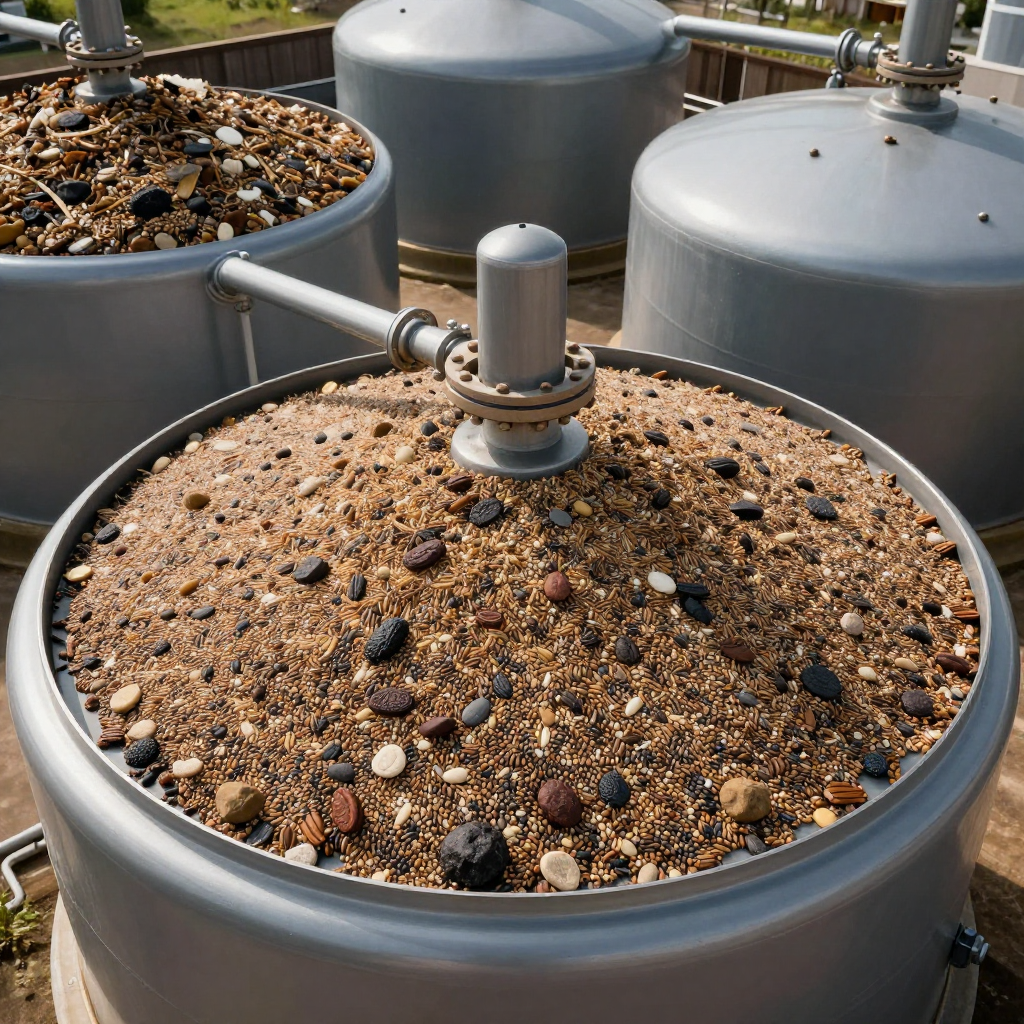
In simple terms, organic waste—agricultural residue, food scraps, farm slurry—gets broken down by microorganisms in an oxygen-free environment. This process produces methane-rich biogas, which can be burned to generate electricity or upgraded into biomethane for grid injection. For data centers running blockchain nodes, this translates into a steady, renewable power source that doesn't fluctuate with sunlight or wind conditions, which is a huge operational advantage.
How UK Crypto Casino Operators Are Investing in Renewable Projects
Now to the part I find most encouraging: real investment, not just marketing language. A handful of UK-licensed crypto casino brands have started funding renewable energy directly rather than simply purchasing generic carbon credits. Some are entering long-term power purchase agreements tied specifically to biogas output, ensuring the electricity running their servers has a traceable renewable origin.
Direct Investment in Biogas Infrastructure
A few operators have gone as far as co-funding small-scale biogas facilities near their UK data center partners, effectively locking in green energy supply for the next decade. Others buy renewable energy certificates specifically linked to biogas producers rather than more commonly available wind or solar credits, which tend to be oversubscribed and harder to verify.
Collaborations with Environmental Research Initiatives
What's particularly notable is how some forward-thinking platforms are looking beyond their own infrastructure and supporting the research side of the equation. Organizations like casino crypto focus on optimizing microbial processes that improve biogas yield from agricultural waste, which indirectly strengthens the entire renewable ecosystem that data centers depend on. By aligning with EU-wide sustainability research standards, UK operators signal that their green commitments extend beyond a single supplier relationship and into supporting the science that makes biogas more efficient and scalable across Europe.
Benefits of Carbon Offsetting for Crypto Casino Brands
The payoff for this kind of investment isn't purely altruistic. Operators gain real reputational capital with a player base that's increasingly values-driven, particularly younger crypto-native users who expect brands to walk the talk on sustainability. There's also regulatory goodwill—demonstrating proactive environmental responsibility can smooth relationships with licensing bodies. And practically speaking, locking in renewable energy contracts often provides long-term cost stability, insulating operators from volatile fossil fuel pricing.
Challenges and Criticisms of Green Claims in Crypto Gambling
I'd be doing readers a disservice if I didn't mention the skepticism swirling around all this. Greenwashing accusations are common in gambling and crypto alike, and rightly so—it's genuinely difficult for outside observers to verify whether a 'carbon-neutral' claim reflects real infrastructure investment or just a purchased offset certificate sitting in a drawer. The lack of standardized, independently audited reporting frameworks in the UK crypto casino sector makes it hard to separate genuine leaders from marketing opportunists. Transparency, third-party verification, and public disclosure of energy sourcing are still catching up to the pace of these announcements.
The Future of Sustainable Crypto Gambling in the UK
Looking ahead, I expect biogas-powered data centers to become more common rather than remain a novelty, especially as facility costs come down and reliability proves out over time. There's also a reasonable chance UK regulators introduce clearer environmental disclosure requirements for gambling operators in the coming years, mirroring trends already visible in broader financial services regulation. Ultimately, though, player demand will likely be the biggest driver. As more UK gamblers factor sustainability into where they place their bets, operators who've made genuine investments in renewable energy—rather than superficial gestures—will be the ones who come out ahead.